
Renewing the electrical heart of the campus with a single planned eight-hour shutdown
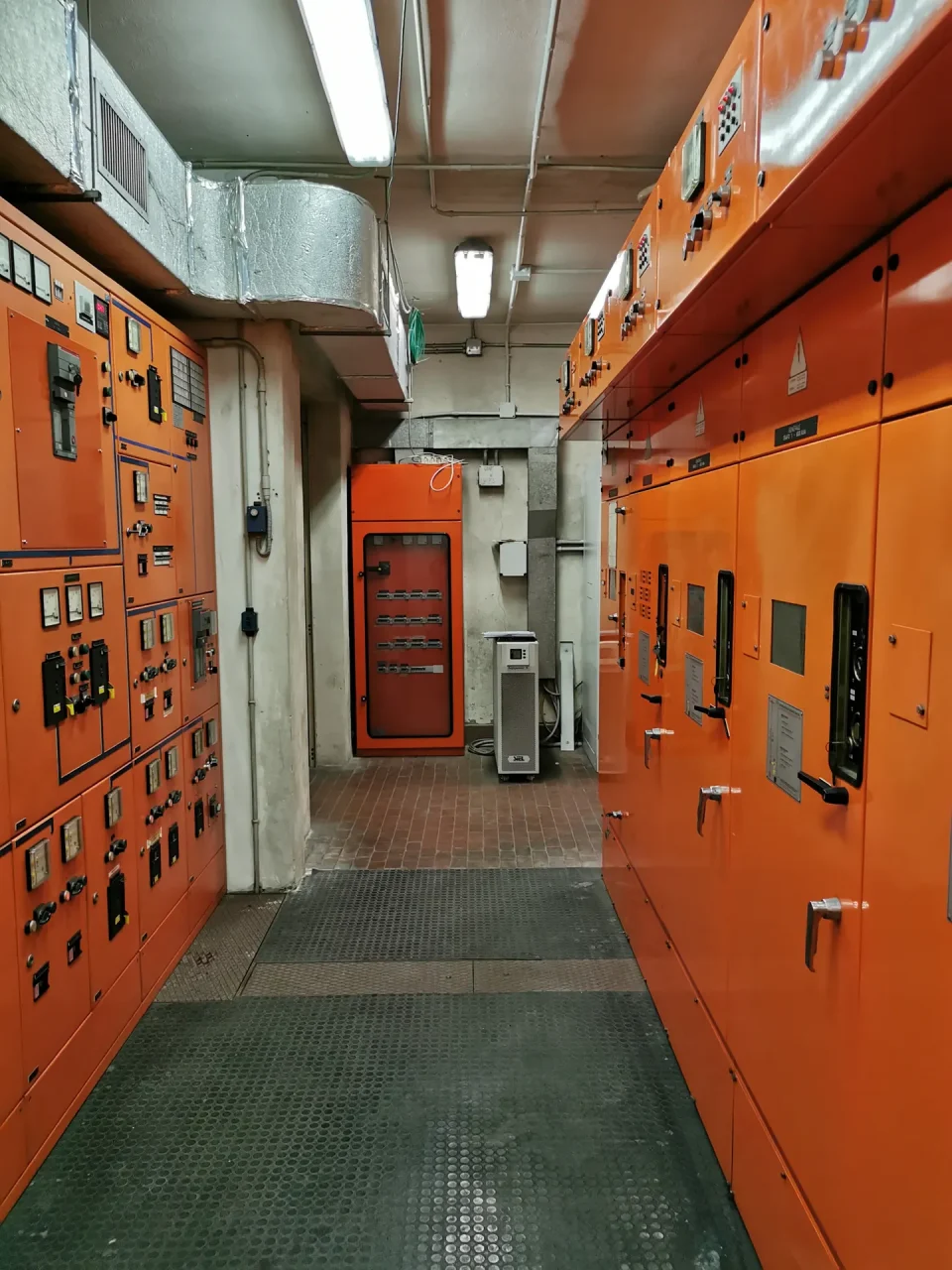
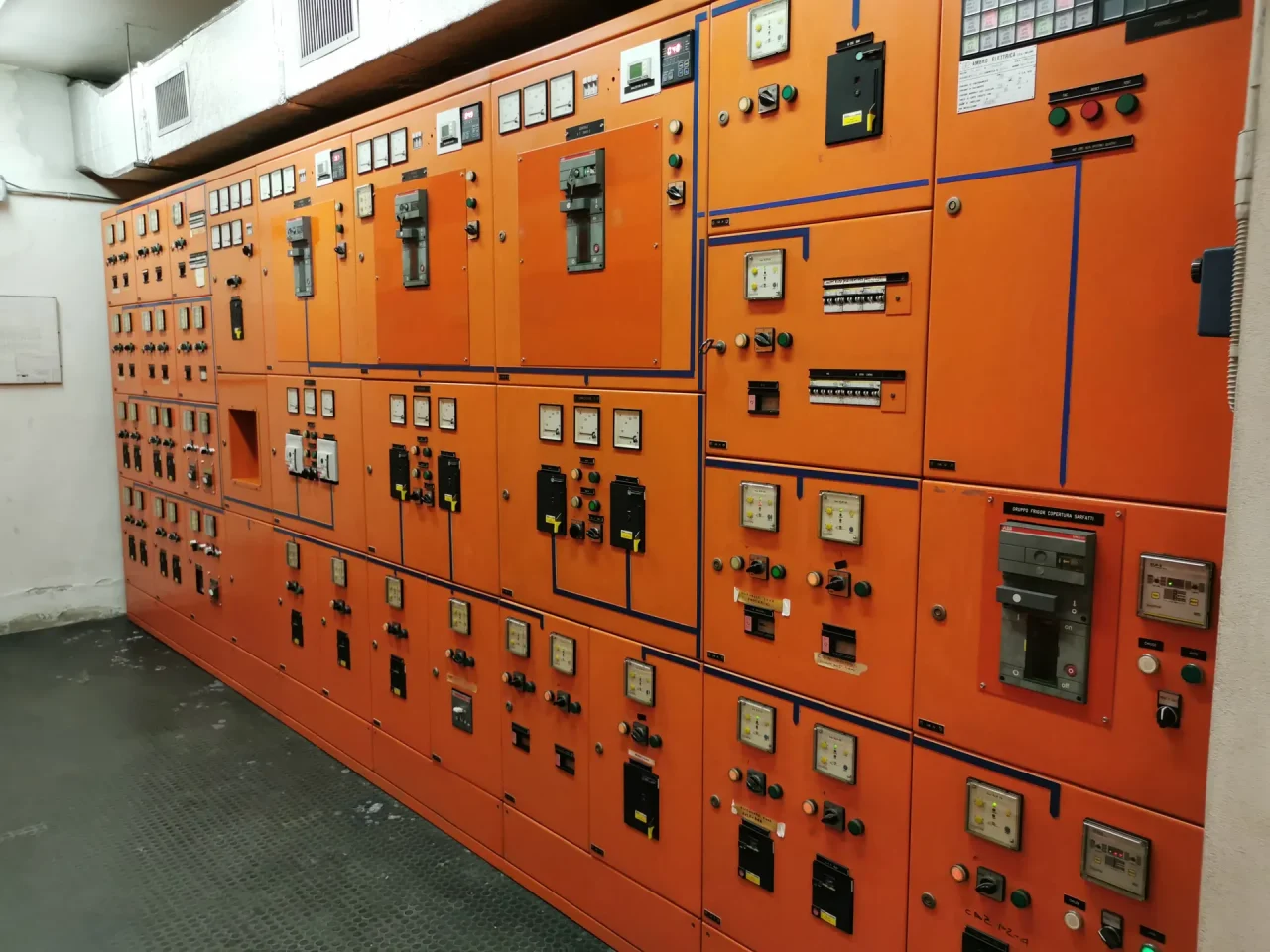
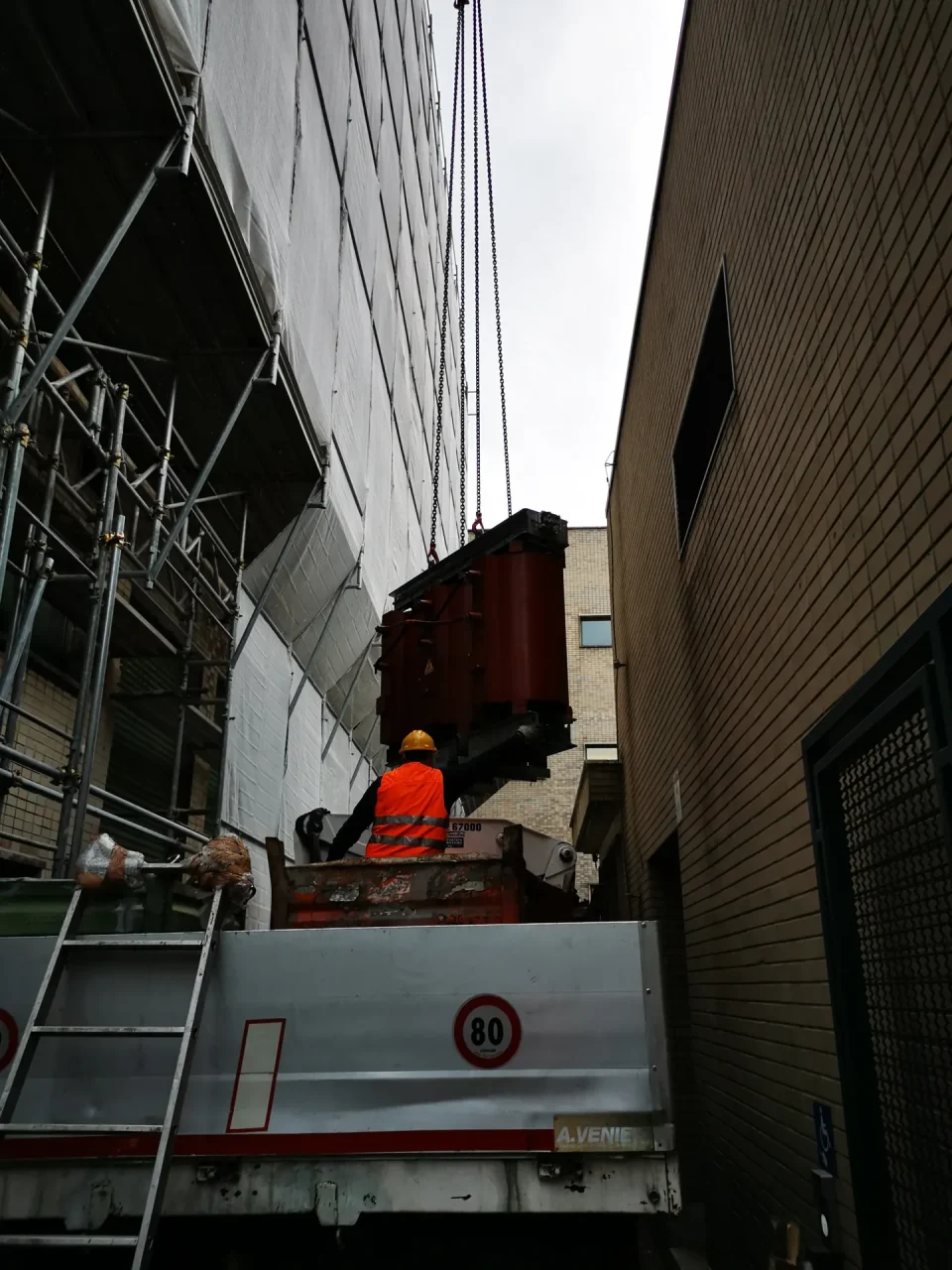
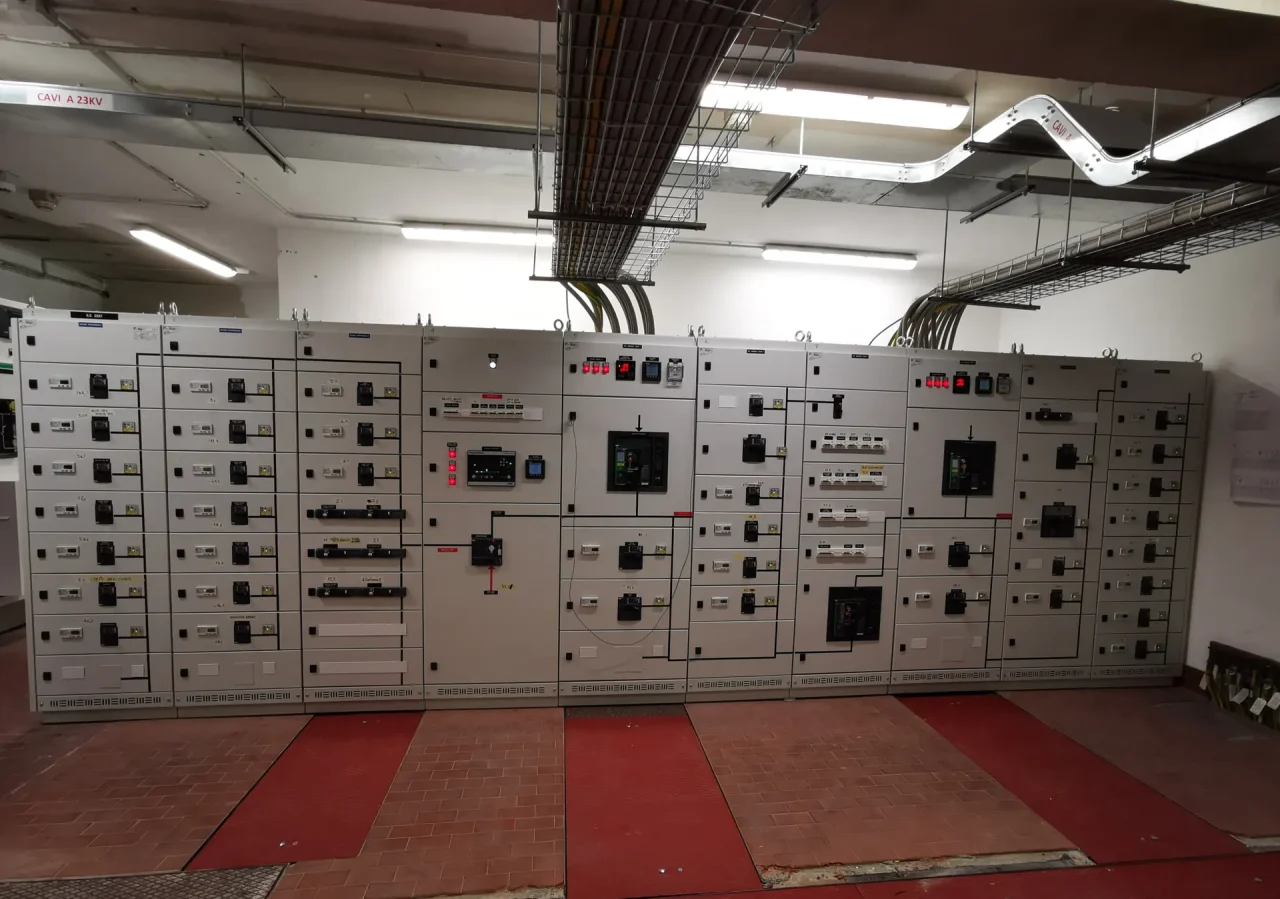
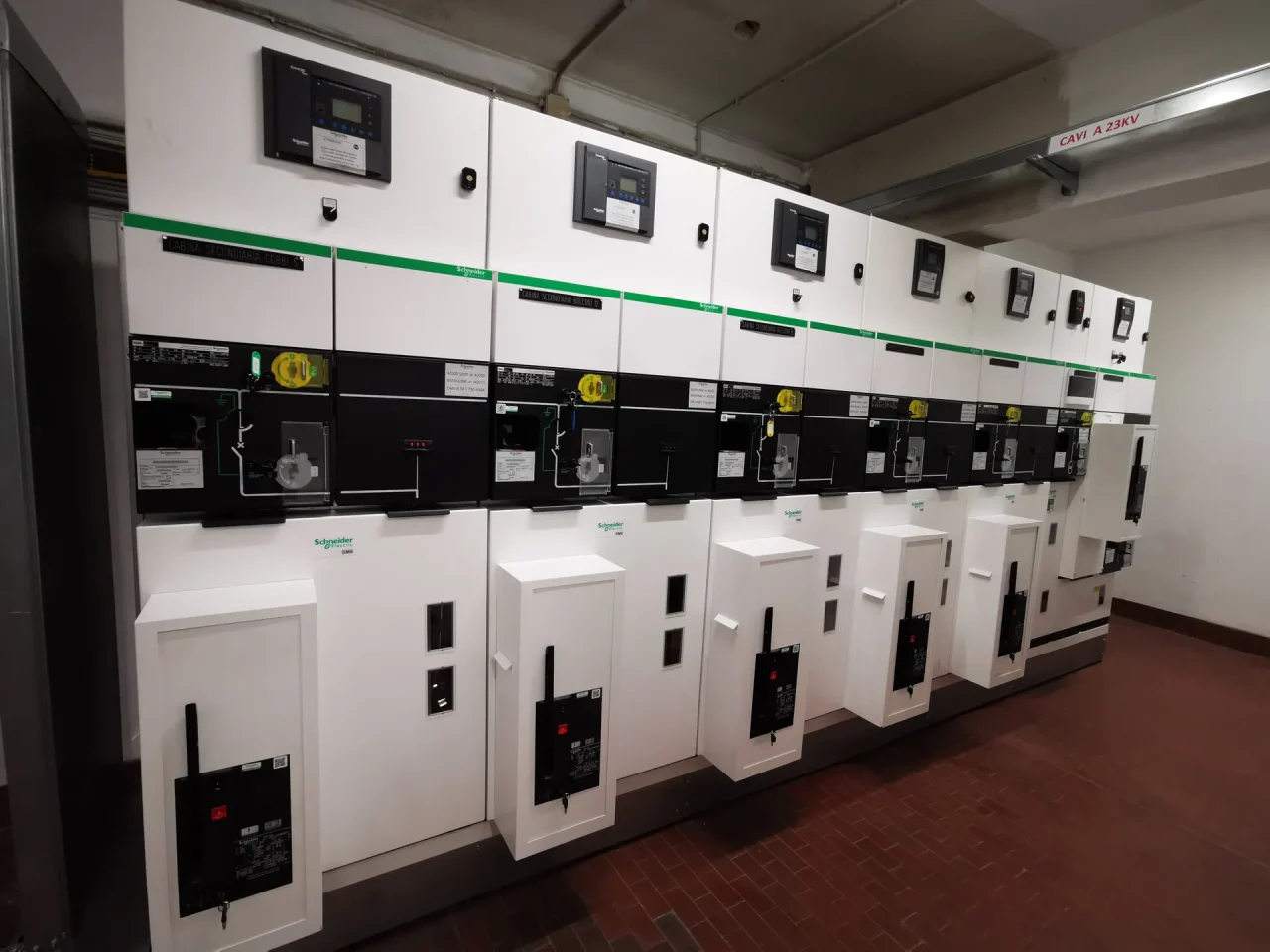
Ohm tech upgraded the 23 kV transformer substation at Bocconi University in Milan, which supplies eight campus buildings through an open-ring distribution network. The aim was to replace the main electrical equipment (medium-voltage switchgear, transformers, MV and LV distribution circuits, the main LV switchboard and the essential loads switchboard), from dismantling the live installations through to commissioning the new configuration.
The campus power supply had to be maintained, with 23 kV equipment staying energised for most of the work. The preliminary design available also needed substantial revision to suit the real space constraints and construction programme. Activities were re-engineered and phased, including night-time and public-holiday working, with coordination with the building contractor on alterations to the plant rooms.
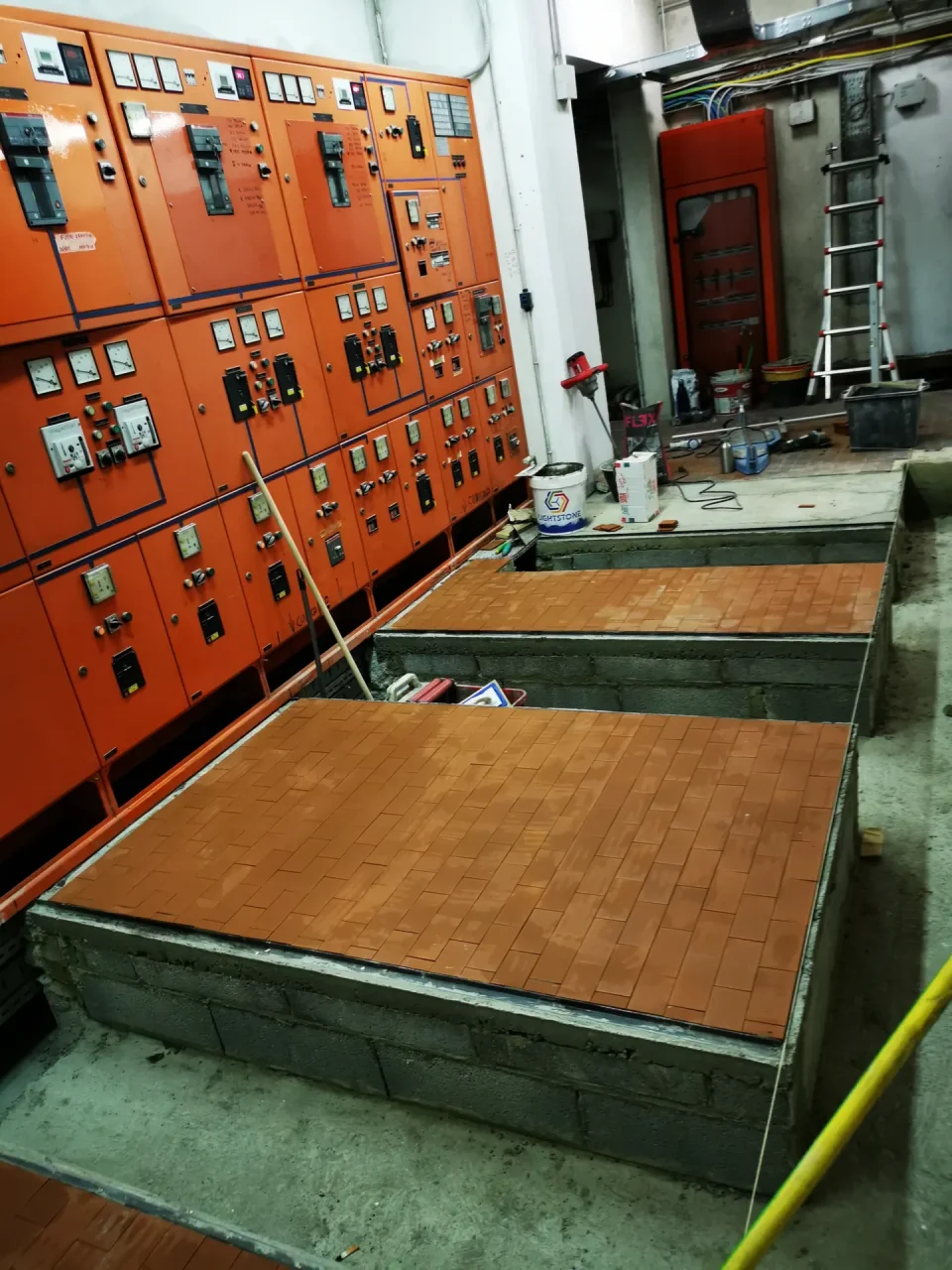
Ohm tech developed the detailed installation design from the preliminary design, substantially revising several of the initial solutions. We designed and installed raised support frames for the medium-voltage switchgear and new floor cable trenches for low-voltage distribution. In parallel, temporary switchboards and distribution circuits kept the loads supplied throughout dismantling and replacement.
The scope of work included:
The revised sequence confined the campus-wide outage to a single planned eight-hour window, coordinated with the replacement of the incoming 23 kV supply circuit by the distribution network operator, UNARETI. For this phase, four additional Ohm tech technicians reinforced the core team to coordinate disconnections, connections, checks and restoration of supply.
The upgrade finished ahead of schedule, with service continuous apart from the one planned shutdown. The new configuration uses two transformers in place of the previous three, with next-generation equipment, command and control systems and distribution circuits that improve efficiency, reliability, safety and maintainability. The project shows how we upgrade critical electrical infrastructure: start from the installation’s real constraints and turn them into a practical, achievable sequence of works.