Fire detection, voice evacuation, access control and supervisory control: designing integrated systems for hospitals, laboratories and production facilities where there is no room for error.
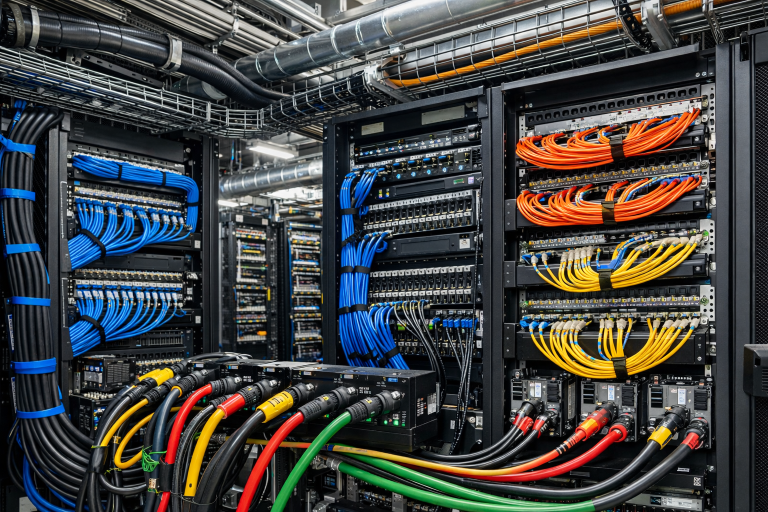
Hospitals, chemical and pharmaceutical laboratories, data centres and major production facilities share one essential requirement: they cannot afford interruptions or errors. In these environments, specialist systems act as the building’s nervous system: detecting hazards, guiding evacuation, protecting sensitive areas and monitoring every critical parameter. Their design and installation demand specialist expertise and a rigorous approach.
Fire detection and voice evacuation
Effective protection starts with early detection. Smoke and fire detection systems, designed in accordance with UNI 9795 and installed using certified components, detect fires at an early stage. Integrated with voice evacuation systems (EVAC), they broadcast clear, zone-specific voice messages to guide people towards the exits in an orderly manner and without panic.
Access control, intruder alarms and CCTV
In critical environments, knowing who enters, where and when is essential. Access control systems manage access permissions and restricted areas, intruder alarm systems protect the perimeter and plant rooms, while CCTV enables real-time verification and provides recordings to support investigations. All systems must be designed in accordance with privacy legislation and the facility’s internal procedures, with particular attention to pharmacies, archives and laboratories.
Hospitals: service continuity and medical locations
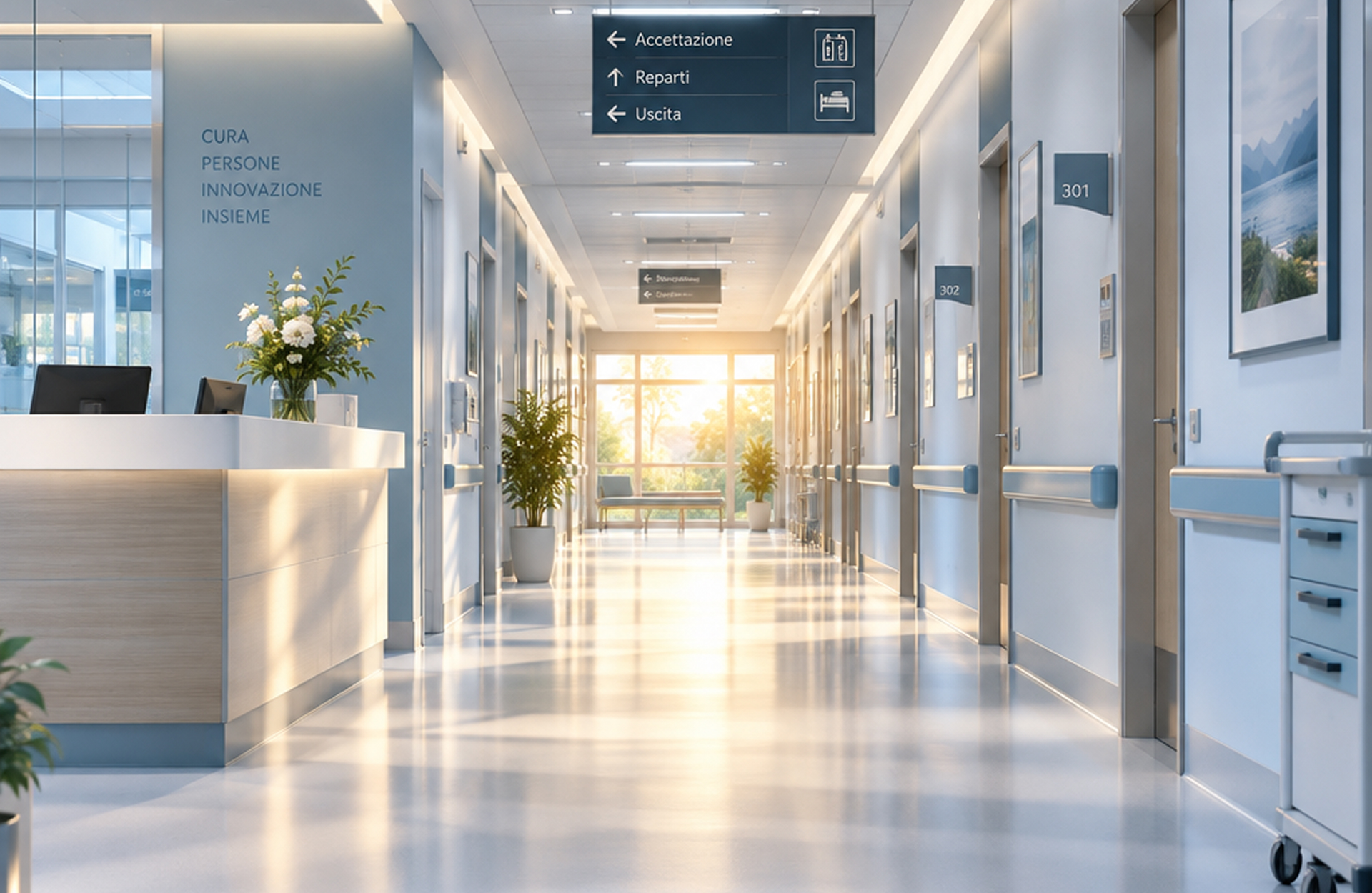
In hospitals, even a power interruption lasting only a few seconds can have serious consequences. Group 2 medical locations, such as operating theatres and intensive care units, therefore require medical IT systems (IT-M) with insulation monitoring and safety power supplies backed by uninterruptible power supplies (UPS) and standby generators. Nurse call systems and monitored medical gas distribution complete this infrastructure.
Explosion-risk areas and chemical and pharmaceutical environments
Potentially explosive atmospheres may be present in chemical and pharmaceutical plants. In these environments, hazardous area classification, the selection of ATEX-certified equipment and installation in accordance with CEI EN 60079 standards are essential. Every component, from enclosures to cables, must ensure that no spark or hot surface can become an ignition source. Maintenance in these areas also requires trained personnel and dedicated procedures.
Supervisory control and system integration
System integration delivers a step change in performance. A supervisory control platform brings together fire alarms, electrical system status, access control data, video feeds and environmental parameters in a single interface, giving operators a comprehensive overview and enabling a rapid response. Integration reduces response times, simplifies maintenance and improves emergency management. Remote access and event logging also enable anomalies to be analysed and procedures to be refined.
Long-term reliability: testing, commissioning and maintenance
A specialist system is effective only if it operates reliably at all times. Documented testing and commissioning, periodic tests, software updates and component checks are integral to the project, not optional extras. Ohm tech manages the entire lifecycle, from design and installation through to maintenance, ensuring that systems remain efficient and compliant throughout their service life.
Conclusion
Safety and operational continuity in critical environments depend on the quality of specialist systems and their integration. Choosing appropriate technologies, complying with standards and working with a partner experienced in complex environments means protecting people, assets and operations. Where there is no room for error, every detail of the installation makes a difference.